
Elemental Analysis: Chlorine and Sulfur by Microcoulometry and UV Fluorescence

Accurate determination of chlorine and sulfur is essential across industries such as petrochemicals, fuels, chemicals, polymers, palm oil processing, and biomass production. Elemental analysis is a highly reliable analytical technique used across many industries to assess the chemical composition and purity of sample substances. These elements directly affect product quality, process stability, catalyst protection, and regulatory compliance. Elemental analysis determines the types and amounts of organic elements present in the original sample, which is crucial for chemical characterization and understanding the structure of materials.

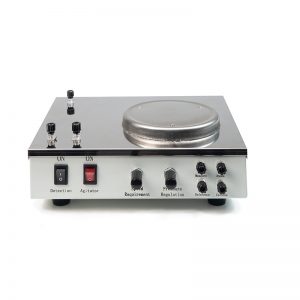
For targeted and reliable chlorine and sulfur determination, element-specific analytical techniques are preferred. The combustion process is commonly used to analyze samples, where the sample substance is burned to produce combustion products such as CO2, H2O, and NO2, which are then measured to deliver accurate and precise results. These combustion products are measured using gas chromatography to determine the ratio of elements in the original sample. Proper weighing and sample preparation are essential to ensure that the results measured reflect the true composition of the original sample and deliver accurate, reliable, and precise data. At LabAlliance, we offer the CLS6000 Chlorine Analyzer and SUVF3000 Sulfur Analyzer, based on microcoulometry and UV fluorescence techniques respectively — proven, standardized methods designed specifically for chlorine and sulfur analysis.

Element-Specific Analysis for Chlorine and Sulfur

Unlike multi-element techniques, microcoulometry and UV fluorescence are purpose-built methods that focus exclusively on chlorine and sulfur. This targeted approach delivers high sensitivity, accuracy, and robustness, especially for hydrocarbon-based, oil, and biomass-related matrices. Both techniques rely on the combustion process to convert the sample into uniform compound gases, which are then measured to determine elemental content.

CLS6000 – Chlorine Analyzer (Microcoulometry)

Microcoulometry determines total chlorine by quantitatively measuring the electrical charge required to titrate halide ions formed during sample combustion. The result is a direct, absolute measurement of chlorine content.

SUVF3000 – Sulfur Analyzer (UV Fluorescence)

UV fluorescence measures sulfur by detecting ultraviolet light emitted by excited sulfur dioxide (SO₂) generated during combustion. This method is widely accepted for its excellent sensitivity and linearity. Both microcoulometry and UV fluorescence are based on the combustion process, which produces uniform compound gases such as CO₂, H₂O, and SO₂, allowing for accurate measurement of elemental content.

Combustion analysis is often considered the gold standard for analyzing organic compounds due to its high precision and reliability. In CHNS/O elemental analysis, C, H, N, and O can be determined simultaneously, and the resulting combustion products are measured using gas chromatography to determine the ratio of these elements in the original sample. Thus the ratio of elements is essential for understanding the chemical composition and structure of the sample. The precision of combustion analysis for bulk composition typically requires results within ±0.4% of theoretical values for sample purity. Further analysis may be required to optimize combustion conditions or verify results, especially when dealing with complex matrices.

Sample Preparation for Analysis

Getting your sample preparation right makes all the difference when you’re doing sulfur analysis. Think of it as laying a solid foundation – you need your sample to be uniform and clean if you want results you can actually trust. The specific steps you’ll take depend on what you’re analyzing and which method you’re using, whether that’s CHNS analysis or atomic absorption spectroscopy. You might need to dry your samples to get rid of moisture, grind them to boost surface area, or mix everything thoroughly until it’s perfectly uniform. This becomes especially important when you’re working with combustion-based techniques, where your sample needs to oxidize completely for accurate sulfur readings.

When you’re using spectroscopic methods, thoughtful sample prep helps you avoid those frustrating matrix effects that can throw off your results. Whether you’re dealing with solids, liquids, or something thick and viscous, your goal stays the same: create a sample that burns efficiently and gives you reliable data. Stick to solid preparation protocols, and you’ll find your sulfur analysis becomes much more dependable. This attention to detail supports better process optimization and keeps your quality control standards high, no matter which industry you’re working in.

Why Use Dedicated Chlorine and Sulfur Analyzers?

Analytical Requirement CLS6000 / SUVF3000 Advantage
Accurate total chlorine or sulfur Element-specific detection
Hydrocarbon and fuel matrices Optimized combustion and detection
Trace-level determination Low detection limits
Regulatory and QA/QC testing Standardized, validated techniques
Routine laboratory operation Robust and easy-to-operate systems

These analyzers are designed to meet regulatory requirements for sulfur concentration, including the detection of ultra low sulfur levels in fuels as specified by ASTM D4294 and ISO 13032. High precision in sulfur analysis is essential for regulatory compliance and environmental protection. The analyzers can be used alongside other methods, such as ICP OES, to determine other elements present in the sample, offering versatile elemental analysis capabilities. Accurate determination of sulfur concentration is crucial for identifying potential hazards and evaluating remediation efforts, especially in the petroleum industry.

Key Features of CLS6000 and SUVF3000

  • Dedicated chlorine or sulfur detection for reliable results
  • High-temperature combustion for complete sample oxidation
  • Excellent sensitivity and repeatability
  • Minimal sample preparation
  • Automated operation for routine and high-throughput laboratories
  • Compliance-ready for internationally recognized methods

Typical Applications

Palm Oil & Edible Oils

  • Chlorine monitoring in crude and refined palm oil
  • Process control to minimize the risk of 3-MCPD ester formation
  • Quality assurance for edible oil production and refining
  • Assess chemical characterization and purity of edible oils for food quality control
  • Determining protein content in food by measuring nitrogen levels

Biomass & Renewable Energy

  • Sulfur determination in biomass feedstock
  • Support for biomass combustion and gasification processes
  • Monitoring sulfur content to reduce emissions and corrosion

Petroleum & Fuels

  • Total chlorine in crude oil, naphtha, gasoline, and diesel
  • Total sulfur in fuels for regulatory compliance
  • Refinery process monitoring and catalyst protection

Chemicals & Petrochemicals

  • Chlorine in organic intermediates and solvents
  • Sulfur in specialty chemicals and feedstocks
  • Quality control and batch verification
  • Chemical characterization of compounds to assess composition and purity

Polymers & Materials

  • Residual chlorine in polymers and additives
  • Sulfur content in rubber and elastomers
  • Process control for material formulation

Pharmaceuticals

  • Assess chemical characterization and purity of drug substances
  • Ensure drug purity and consistent composition for quality control
  • Monitor toxic metal impurities to meet regulatory standards

Forensic Science

  • Elemental analysis provides elemental fingerprints for material identification
  • Assess chemical composition of evidence for forensic investigations

Environmental Considerations

When you’re dealing with environmental monitoring and protection, sulfur analysis becomes incredibly important, especially if you work in the petroleum industry or automotive fuel production. Here’s why this matters: sulfur compounds lurking in fuels don’t just sit there quietly. They turn into sulfur dioxide when burned, and that’s a major troublemaker for air quality and acid rain. Getting accurate sulfur measurements from different samples, whether you’re testing liquids or those thick, viscous materials, helps you fine-tune your processes and stay on the right side of strict regulations.

The good news is that modern sulfur analyzers give you some powerful options. Take X-ray fluorescence (XRF) and inductively coupled plasma optical emission spectroscopy (ICP OES)—these techniques let you pinpoint exactly how much sulfur is hiding in fuels and other organic materials. You’ve also got gas chromatography and mass spectrometry in your toolkit, which dive deeper to show you what types of sulfur compounds you’re actually dealing with. These methods aren’t just reliable; they’re essential for understanding your product’s purity and composition, spotting potential problems before they become headaches, and making sure your emissions stay within legal limits.

What makes all this effort worthwhile is how sulfur analysis supports everything you care about in your operation. You get the accurate, dependable results you need for quality control. Environmental monitoring becomes straightforward rather than stressful. Managing sulfur-containing compounds safely stops being a guessing game. This approach doesn’t just protect public health and our environment—it helps your industry stay compliant while optimizing processes for better efficiency and long-term sustainability.

How Do These Techniques Complement Other Methods?

CLS6000 and SUVF3000 are designed to complement, not replace, broader analytical tools:

Technique Primary Strength Role with CLS6000 / SUVF3000
ICP-OES / ICP-MS Trace metals, other elements at ppm/ppb levels Elemental metals analysis; simultaneous detection of other elements
TOC Organic carbon Carbon content only
CHNS Multi-element screening General composition
XRF / SEM-EDX Non-destructive identification of other elements Advantageous for samples that need to be preserved
Neutron Activation Analysis (NAA) Precise elemental concentration measurement for other elements Reference method for accuracy
Microcoulometry / UVF Chlorine & sulfur specificity Definitive Cl / S determination

Using the right technique for the right analyte ensures analytical confidence and defensible data. Non-destructive methods like XRF and SEM-EDX are especially useful when sample preservation is required. ICP methods can detect trace metals and minerals at very low concentrations (ppm or ppb), while NAA provides precise elemental concentration measurements for a wide range of elements.

Why Choose CLS6000 and SUVF3000 with LabAlliance?

By combining proven analytical techniques with LabAlliance’s technical expertise, customers benefit from:

  • ✔ Reliable chlorine and sulfur determination
  • ✔ Dedicated application and method support
  • ✔ Installation, training, and preventive maintenance services
  • ✔ Long-term service continuity and local technical expertise

Whether for palm oil quality control, biomass production, refinery monitoring, or research, CLS6000 and SUVF3000 provide confidence in chlorine and sulfur measurements.

Supporting a Complete Analytical Workflow

Chlorine and sulfur analysis often form part of a broader analytical framework that includes:

  • Edible oil and biofuel quality testing
  • Biomass and renewable energy development
  • Process optimization and catalyst protection
  • Environmental and regulatory compliance

Element-specific analyzers ensure results that are accurate, actionable, and fit for purpose.

Showing all 2 results

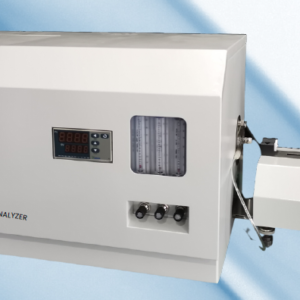
CLS6000 Coulometric Chlorine Analyzer

CLS6000 Coulometric Chlorine Analyzer

Easy to use Instrument Control, Data Acquisition & Reliable Analysis Results

The ELEMEN+CLS 6000 system is the latest model building on the success of the previous ELEMEN+ CLS3000 system. It uses micro coulometry technology and combined with its advanced software to provide accurate micro-coulometric titration. It comes with higher temperature capability (up to 1100°C) and can measure chlorine content in solid, liquid & gaseous phase down to low ppm level.
SUVF3000 Sulfur Analyzer

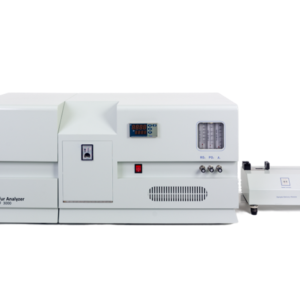
SUVF3000 Sulfur Analyzer

Achieve More & Measure with Confidence!

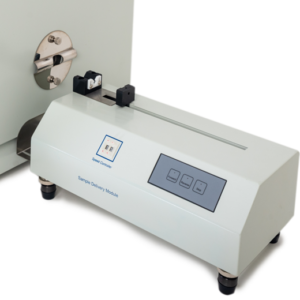
Analysis of the total sulfur content by combustion and UV Fluorescence detection technique has fast becoming the preferred method to characterize a variety of sample in gases, liquid or solid sample matrices due to its ruggedness, sensitivity, and good linear dynamic range. It is widely used in petroleum, chemical, electric power, coal, food, biofuels, environmental protection and other applicable fields.