BET Surface Area in Catalysis: Why It Matters for Catalyst Performance
Catalysts play a critical role in modern industries, from petrochemicals and energy production to environmental protection and chemical synthesis. Their effectiveness depends not only on chemical composition, but also on physical properties such as surface area and porosity.
Among these, surface area is one of the most important parameters influencing catalytic activity.
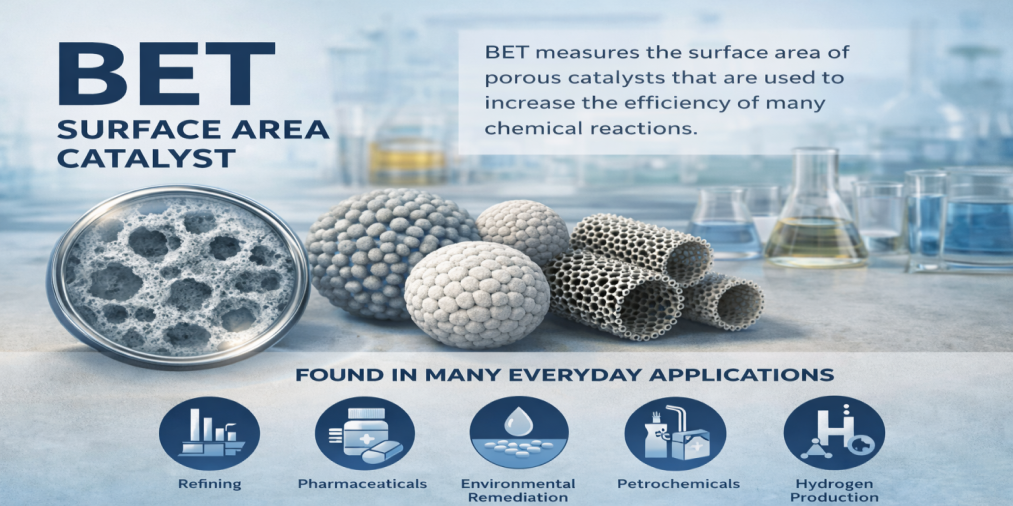
BET surface area analysis, based on gas adsorption techniques, is widely used to quantify this property and support catalyst development, optimization, and quality control.
Why Surface Area Matters in Catalysis
Catalytic reactions occur on the surface of materials, where reactants interact with active sites. As a result, the available surface area directly influences the number of active sites accessible for reaction.
In general:
- Higher surface area → more active sites → higher catalytic activity
- Lower surface area → fewer active sites → reduced performance
However, surface area alone is not sufficient. It must be considered together with pore structure, accessibility, and material stability.
What is BET Surface Area?
BET surface area is determined using the Brunauer–Emmett–Teller (BET) theory, which measures the amount of gas adsorbed onto a material’s surface at controlled conditions.
Typically:
- An inert gas (commonly nitrogen) is adsorbed onto the material
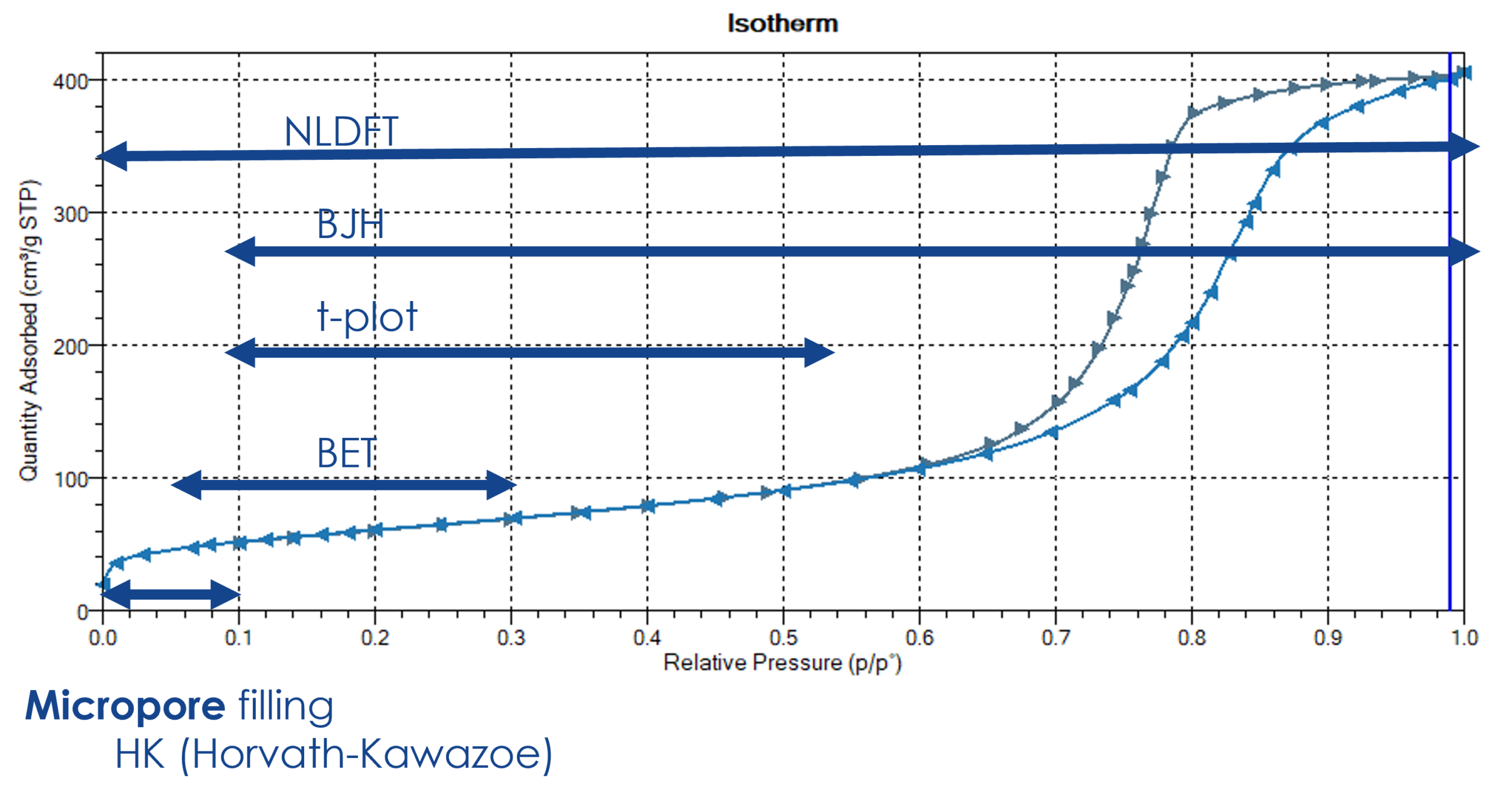
- The adsorption isotherm is measured
- Surface area is calculated based on multilayer adsorption behavior
This method provides a quantitative and reproducible measurement of total surface area, making it a standard tool in catalyst characterization.
Role of BET Surface Area in Catalyst Performance
1. Active Site Availability
A higher BET surface area generally indicates more exposed surface for catalytic reactions. This is particularly important for:
- Heterogeneous catalysts
- Supported metal catalysts
- Porous materials such as zeolites and alumina
2. Catalyst Efficiency and Conversion
Catalysts with optimized surface area can achieve:
- Higher reaction rates
- Improved conversion efficiency
- Better utilization of active materials
This is especially relevant in refinery processes, hydrogen production, and emission control systems.
3. Dispersion of Active Components
For supported catalysts, surface area influences how well active metals are dispersed across the support.
- High surface area → better dispersion → more accessible active sites
- Low surface area → aggregation → reduced catalytic efficiency
4. Pore Structure and Accessibility
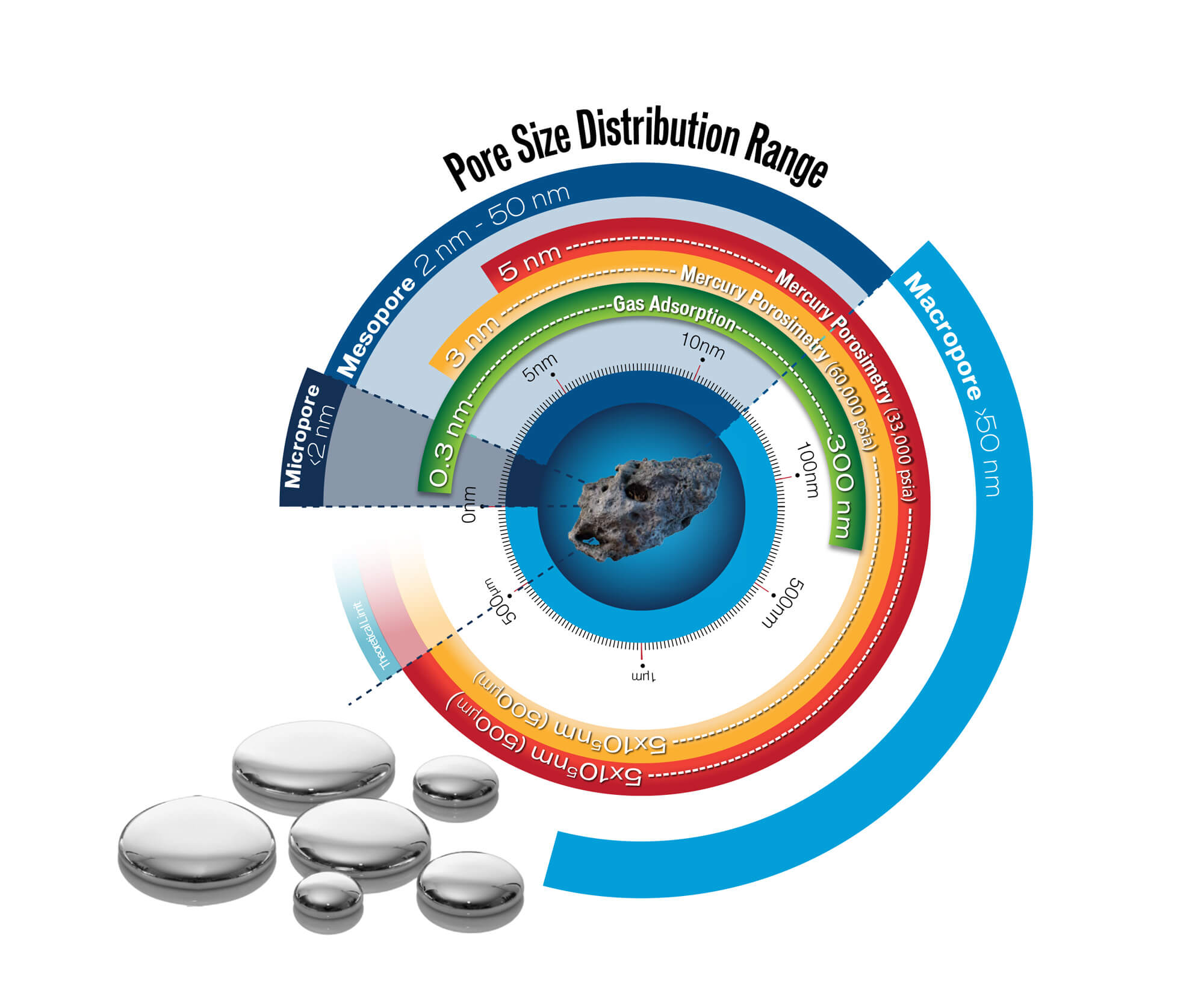
While BET surface area measures total area, pore size and distribution determine whether reactants can access those surfaces.
- Micropores may limit diffusion
- Mesopores improve accessibility
- Macropores support transport
Therefore, BET analysis is often combined with pore size distribution analysis for a complete understanding.
5. Catalyst Deactivation Monitoring
Over time, catalysts may lose activity due to:
- Coking (carbon deposition)
- Sintering
- Pore blockage
A decrease in BET surface area can indicate structural changes or deactivation, making it a useful tool for lifetime and regeneration studies.
Typical Applications of BET in Catalysis
BET surface area analysis is widely used across various catalytic systems:
Petrochemical & Refining
- Catalyst supports (alumina, silica)
- Hydroprocessing catalysts
- Reforming and cracking catalysts
Environmental Catalysis
- Automotive exhaust catalysts
- VOC oxidation catalysts
- Emission control systems
Energy & Sustainability
- Hydrogen production catalysts
- Biomass conversion catalysts
- CO₂ capture and utilization materials
Chemical Processing
- Fine chemical synthesis
- Polymerization catalysts
- Industrial reaction systems
BET Surface Area vs Other Characterization Techniques
BET analysis is one part of a broader catalyst characterization strategy:
Why BET Surface Area Analysis is Essential
BET surface area measurement remains a fundamental and widely accepted method because it provides:
- Reliable and reproducible data
- Standardized methodology for research and industry
- Critical insights into catalyst design and performance
- Support for quality control and process optimization
Supporting Catalyst Development and Optimization
In practical workflows, BET analysis is used at multiple stages:
- R&D – developing new catalyst materials
- Scale-up – ensuring consistency from lab to production
- Quality control – verifying batch-to-batch consistency
- Troubleshooting – identifying performance issues
This makes BET an essential tool for both research laboratories and industrial operations.
Conclusion
Surface area is a key factor in determining how effectively a catalyst performs.
BET surface area analysis provides a reliable and quantitative way to measure this property, supporting better catalyst design, improved efficiency, and long-term performance monitoring.
When combined with other characterization techniques, BET analysis enables laboratories to develop a complete and actionable understanding of catalytic materials.