bet surface area testing

BET Surface Area: Gas Adsorption Analysis and Understanding BET Theory

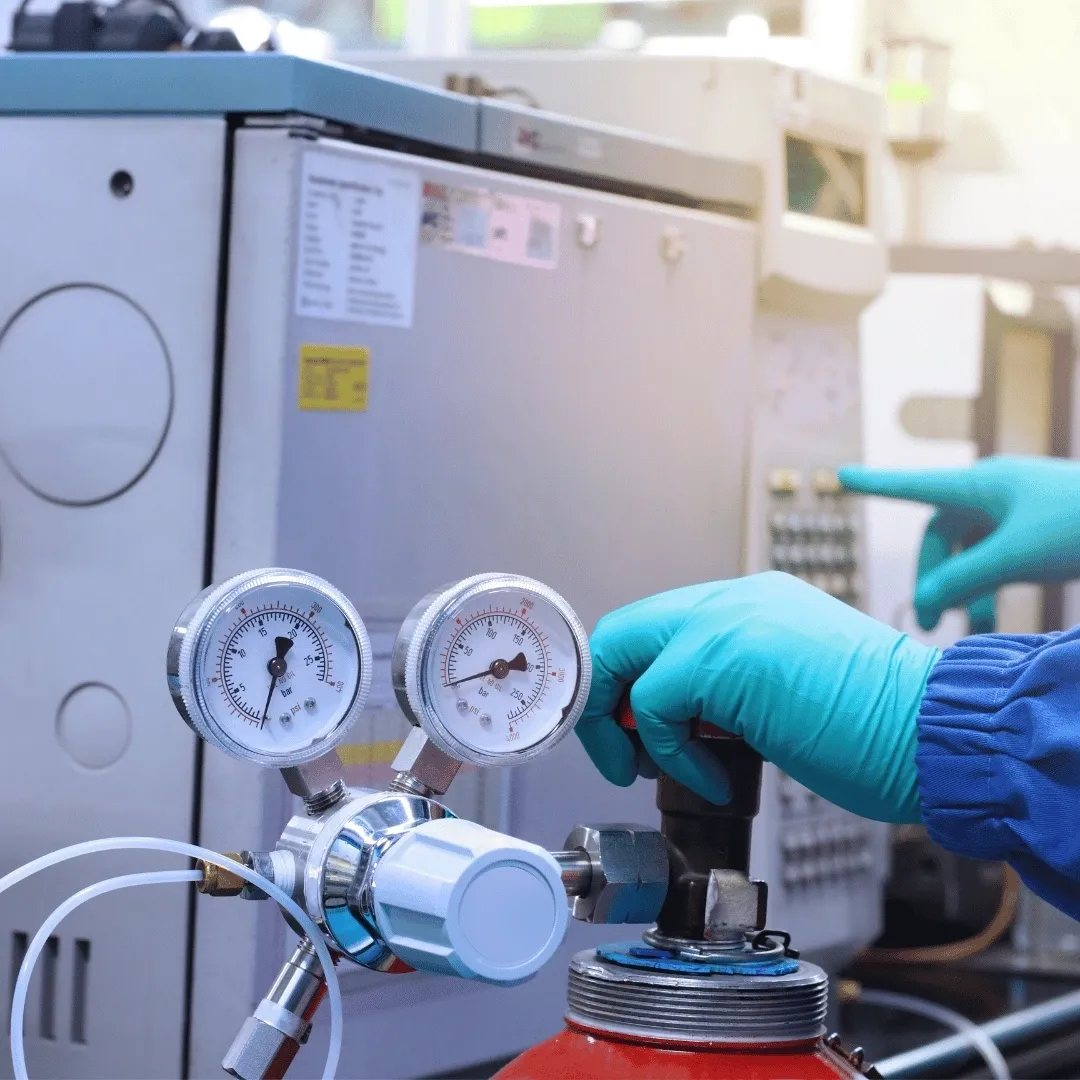
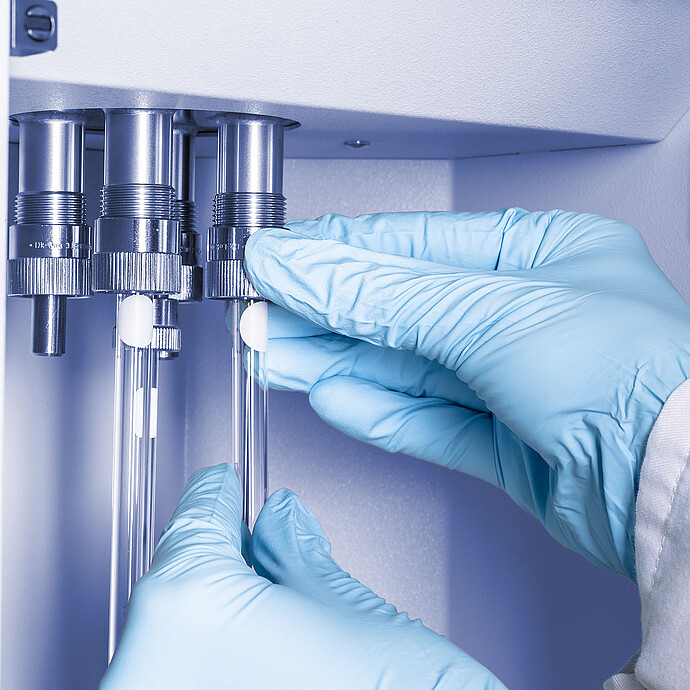
BET Surface Area: Gas Adsorption Analysis and Understanding BET Theory You’ll quickly see why gas adsorption matters when you need to quantify a material’s real surface area instead of just its geometric size. BET theory, developed as a technique by Stephen Brunauer, Paul Emmett, and Edward Teller in 1938, aims to explain the physical adsorption…

Details
bet surface area testing

What Is BET Surface Area? A Practical Guide for Material Characterization

What Is BET Surface Area? A Practical Guide for Material Characterization You want a clear, practical explanation of BET surface area and why it matters for material characterization. BET surface area measures the accessible microscopic surface area of a solid by quantifying how much gas physically adsorbs onto it, giving a standardized metric (m²/g) that…

Details
bet surface area

BET Surface Area Analysis Explained: Principles, Method, and Applications

BET Surface Area Analysis Explained: Principles, Method, and Applications You’ll get a clear, practical explanation of what BET surface area analysis measures and why it matters for materials like catalysts, adsorbents, and nanomaterials. BET quantifies the accessible surface area by modeling multilayer gas adsorption on a solid, giving a reproducible metric that predicts how a…

Details

Automated Sample Preparation for GC-MS and LC-MS: Improving Laboratory Efficiency

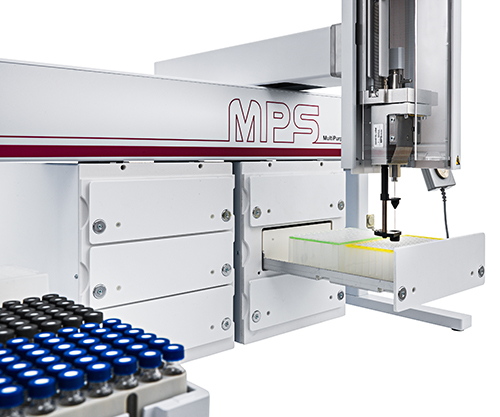
Automated Sample Preparation for GC-MS and LC-MS: Improving Laboratory Efficiency In modern analytical laboratories, GC-MS and LC-MS systems provide highly sensitive and accurate results for a wide range of applications. However, the overall quality and reliability of these results depend heavily on one critical step — sample preparation. Manual sample preparation is often time-consuming, labor-intensive,…

Details

GERSTEL MOSH/MOAH Analysis in Food: Methods and Challenges

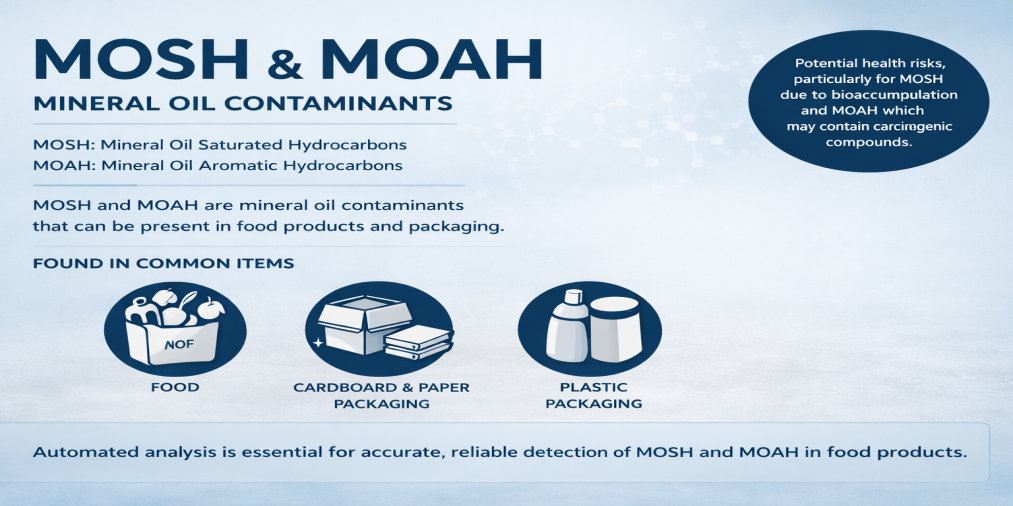
GERSTEL MOSH/MOAH Analysis in Food: Methods and Challenges Mineral oil hydrocarbons (MOH) have become an important focus in food safety and quality control, particularly in packaged foods. These compounds are broadly classified into MOSH (Mineral Oil Saturated Hydrocarbons) and MOAH (Mineral Oil Aromatic Hydrocarbons), each presenting different analytical and regulatory considerations. Accurate determination of MOSH…

Details

Emerging Contaminants: PFAS Analysis Explained

Emerging Contaminants: PFAS Analysis Explained Per- and polyfluoroalkyl substances (PFAS) are a group of persistent environmental contaminants that have gained increasing attention due to their widespread presence and potential health risks. Often referred to as “forever chemicals,” PFAS are highly stable and resistant to degradation, making their detection and analysis critical in modern laboratories. Accurate…

Details

Particle Size Analysis Explained: When to Use Laser Diffraction vs Dynamic Light Scattering

Particle Size Analysis Explained: When to Use Laser Diffraction vs Dynamic Light Scattering Particle size plays a critical role in determining the performance, stability, and functionality of many materials. From pharmaceuticals and catalysts to food powders and advanced nanomaterials, particle size directly influences properties such as reactivity, dissolution rate, suspension stability, and product quality. Because…

Details

Master Your Coffee Grind: Accurate Analysis with Bettersize

Master Your Coffee Grind: Accurate Analysis with Bettersize For exceptional coffee, the grind size is critical. The Bettersizer 2600 combines laser diffraction and dynamic imaging to deliver precise particle size and shape analysis—essential technology for coffee producers and equipment manufacturers seeking consistent quality and competitive advantage. Why Precise Grind Analysis Matters for Your Coffee The…

Details

BET Surface Area in Catalysis: Why It Matters for Catalyst Performance

BET Surface Area in Catalysis: Why It Matters for Catalyst Performance Catalysts play a critical role in modern industries, from petrochemicals and energy production to environmental protection and chemical synthesis. Their effectiveness depends not only on chemical composition, but also on physical properties such as surface area and porosity. Among these, surface area is one…

Details