Emerging Contaminants: PFAS Analysis Explained
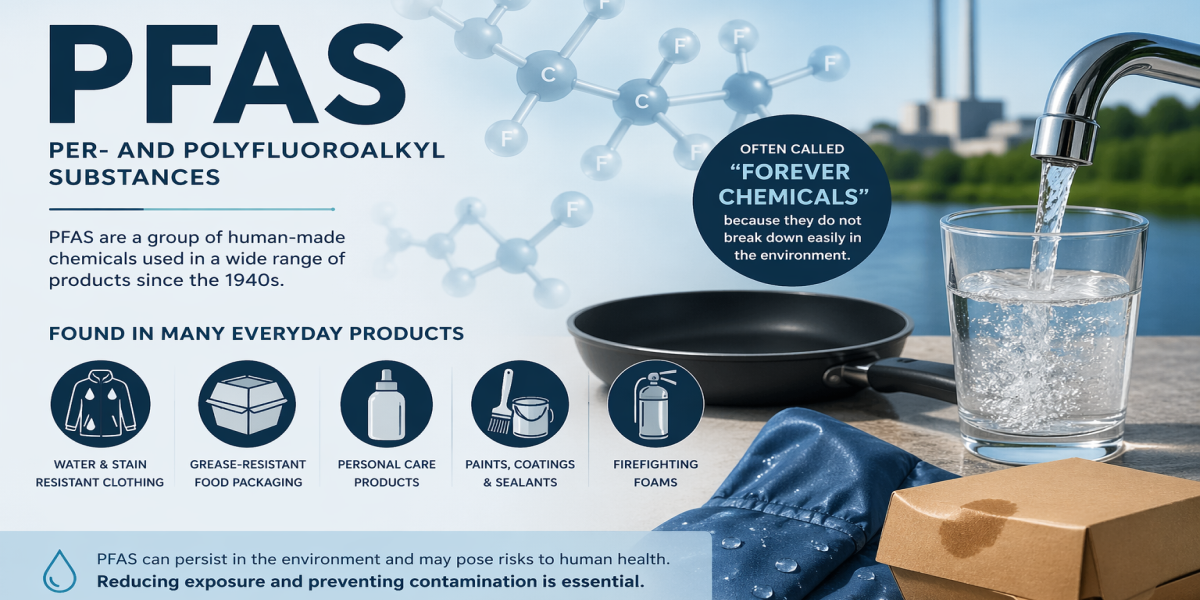
Per- and polyfluoroalkyl substances (PFAS) are a group of persistent environmental contaminants that have gained increasing attention due to their widespread presence and potential health risks. Often referred to as “forever chemicals,” PFAS are highly stable and resistant to degradation, making their detection and analysis critical in modern laboratories.
Accurate PFAS analysis requires high sensitivity, strict contamination control, and consistent sample preparation workflows. As laboratories face increasing demand for PFAS testing, automation plays a key role in improving reliability and efficiency, particularly when integrated with LC-MS/MS systems.
What are PFAS?
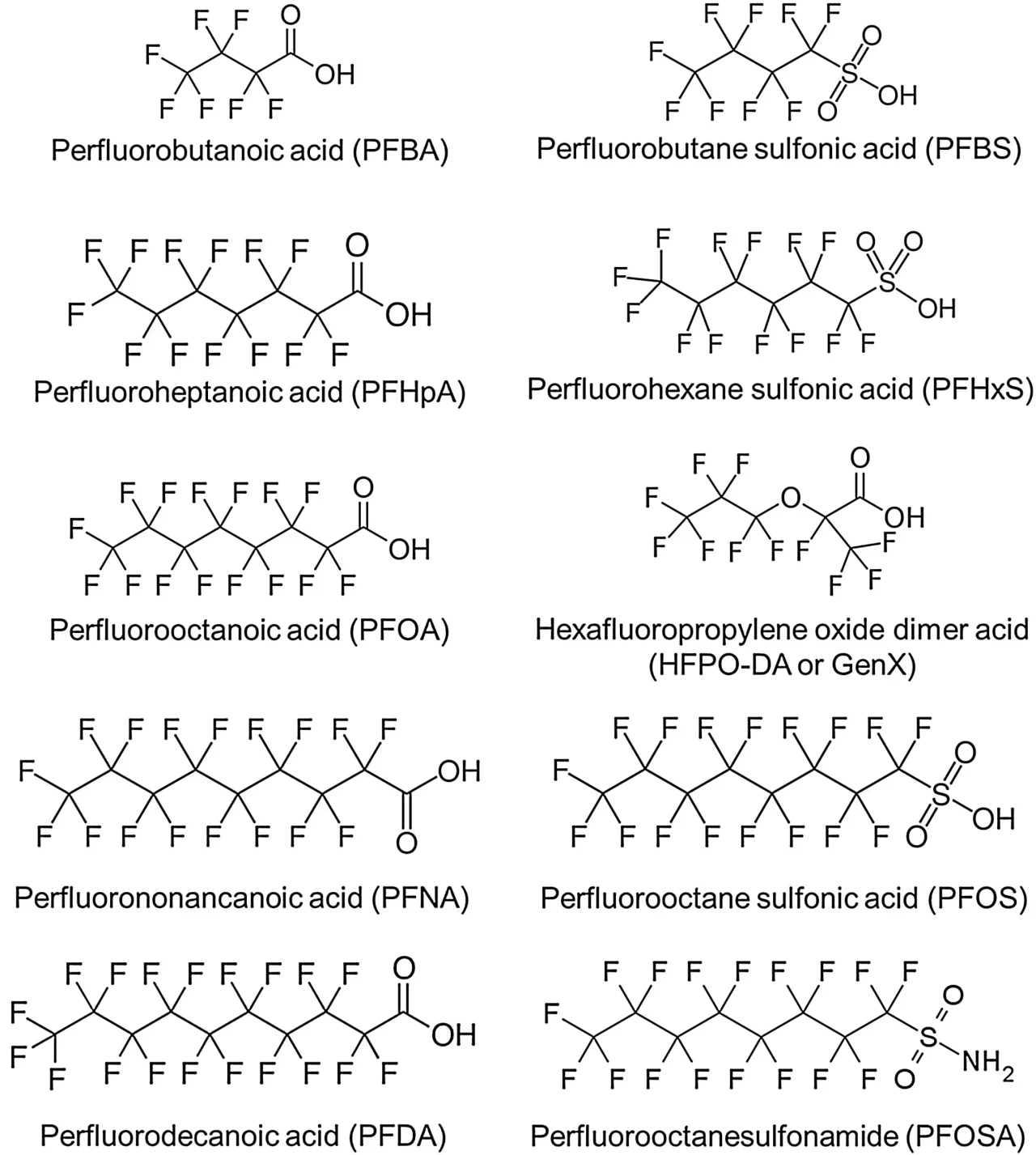
PFAS are a large family of fluorinated compounds used in a wide range of industrial and consumer applications, including:
- Non-stick coatings
- Water-repellent textiles
- Firefighting foams
- Food packaging materials
Their strong carbon–fluorine bonds contribute to their chemical stability and persistence, but also make them challenging to analyze at trace levels.
Why PFAS Analysis is Challenging
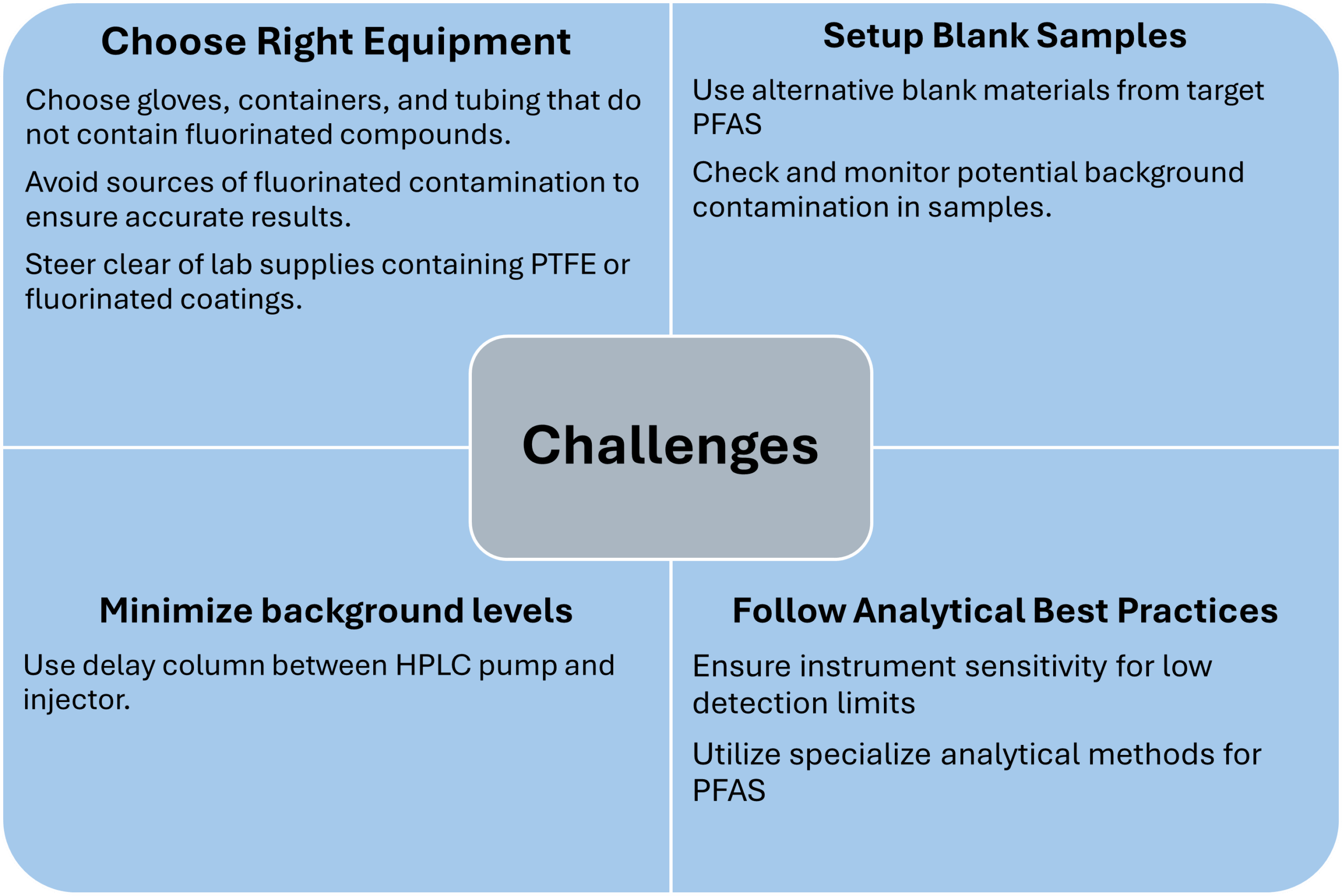
PFAS analysis is technically demanding due to several factors:
1. Ultra-Trace Detection Requirements
PFAS are often present at very low concentrations (ppb to ppt levels), requiring highly sensitive analytical techniques.
2. Risk of Background Contamination
PFAS can be found in:
- Laboratory materials (tubing, solvents, containers)
- Environmental background
This makes contamination control critical throughout the workflow.
3. Complex Sample Matrices
PFAS are analyzed in:
- Drinking water
- Wastewater
- Soil and sludge
- Food and packaging
Each matrix requires careful preparation and cleanup.
4. Large Number of Target Compounds
There are thousands of PFAS compounds, often requiring multi-analyte methods.
Analytical Workflow for PFAS Determination
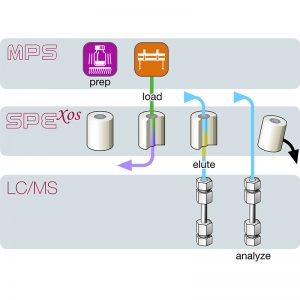
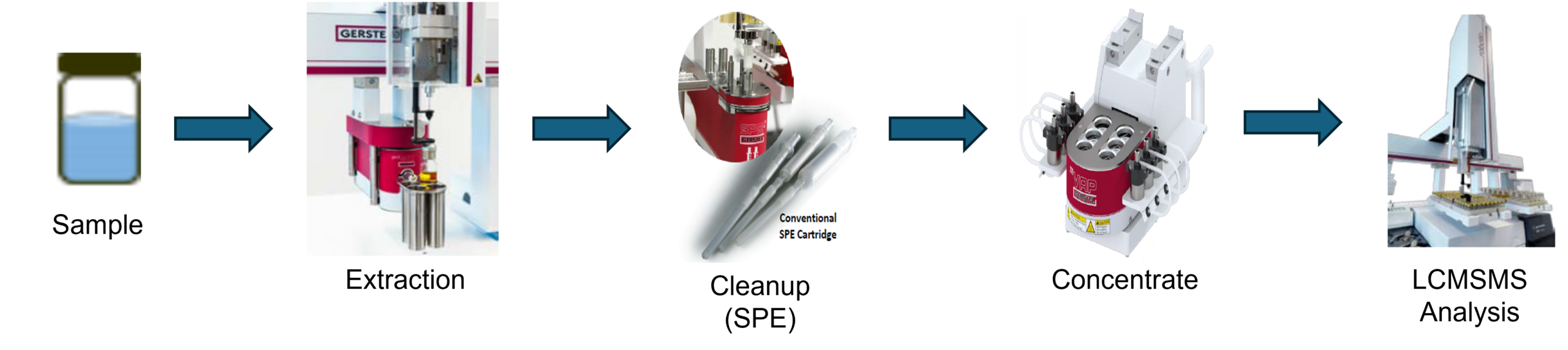
PFAS analysis typically involves LC-MS/MS coupled with careful sample preparation to ensure accurate results.
Key Steps
- Extraction
Isolates PFAS compounds from environmental or food samples - Solid Phase Extraction (SPE)
Concentrates analytes and removes matrix interferences - Sample Concentration
Improves detection sensitivity - LC-MS/MS Analysis
Provides selective and sensitive quantification
Role of Automated Sample Preparation in PFAS Analysis
Due to the complexity and sensitivity of PFAS workflows, manual sample preparation can introduce variability and contamination risks.
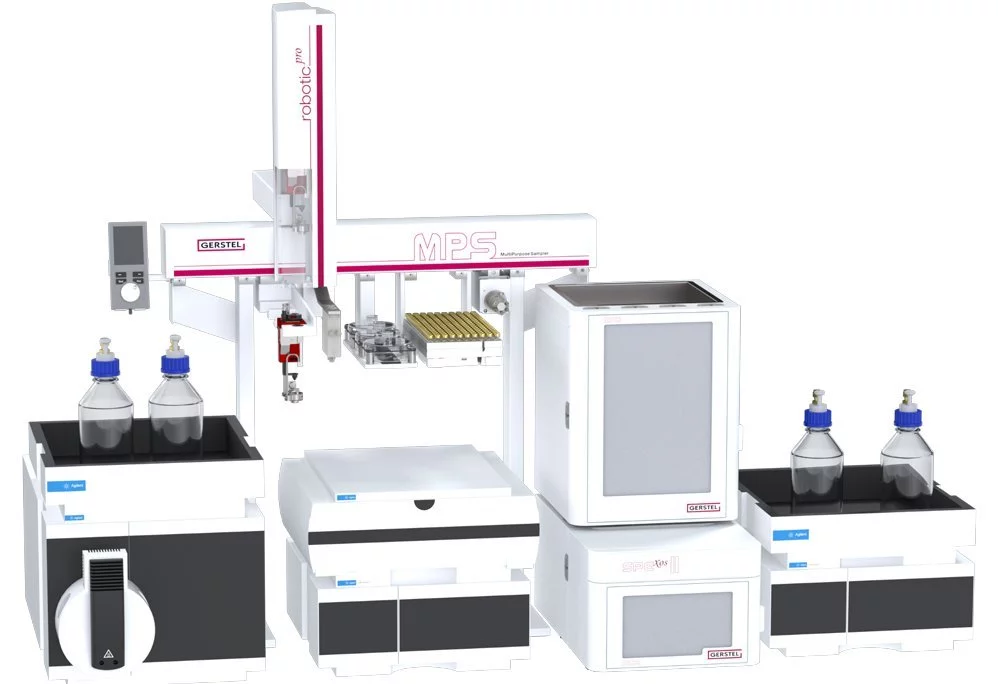
Automated systems, such as those offered by GERSTEL, provide a controlled and reproducible approach to sample handling.
Key Automation Capabilities
- Automated SPE workflows
- Precise solvent handling and sample transfer
- Controlled extraction and cleanup steps
- Integration with LC-MS/MS systems
- Operation as standalone workstations
Automation ensures that each sample undergoes consistent preparation under controlled conditions, which is essential for trace-level analysis.
Benefits of Automation for PFAS Analysis
1. Reduced Contamination Risk
Automation minimizes manual handling, reducing the introduction of background PFAS contamination.
2. Improved Reproducibility
Consistent execution of SPE and preparation steps ensures reliable results across batches.
3. Enhanced Sensitivity
Controlled workflows help maintain low detection limits, critical for regulatory compliance.
4. Increased Throughput
Automated systems support high sample volumes, enabling efficient routine monitoring.
5. Standardized Methods
Automation allows laboratories to implement validated and repeatable workflows.
Applications of PFAS Analysis
PFAS testing is increasingly required across multiple sectors:
Environmental Monitoring
- Drinking water and groundwater
- Wastewater and sludge
- Soil contamination studies
Food and Packaging
- Migration from food contact materials
- Contamination in processed foods
Industrial and Regulatory Testing
- Compliance with environmental standards
- Monitoring industrial discharge
Supporting Reliable PFAS Analysis
To ensure accurate PFAS results, laboratories should focus on:
- Using PFAS-free materials and consumables
- Implementing robust SPE cleanup methods
- Minimizing manual handling steps
- Adopting automation for critical workflows
- Validating methods for target analytes
Automation plays a central role in achieving consistent, contamination-free, and reproducible results.
Conclusion
PFAS analysis presents unique analytical challenges due to ultra-trace detection requirements, contamination risks, and complex sample matrices. Reliable results depend on both advanced instrumentation and well-controlled sample preparation workflows.
By integrating automated sample preparation solutions such as GERSTEL systems with LC-MS/MS, laboratories can enhance efficiency, reproducibility, and data quality, supporting accurate monitoring of these emerging contaminants.