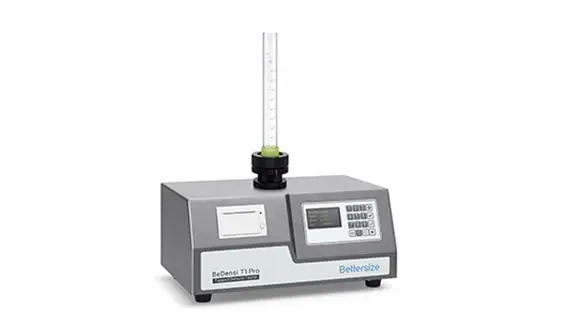
Bulk Density: The Ultimate Guide to Choosing the Right Density Measurement for Your Powder

Bulk Density: The Ultimate Guide to Choosing the Right Density Measurement for Your Powder In the world of material science and manufacturing, “density” is rarely as simple as mass divided by volume. If you are working with powders—whether in pharmaceuticals, battery materials, or metallurgy—the way you measure density can completely change your production outcome. Accurately…
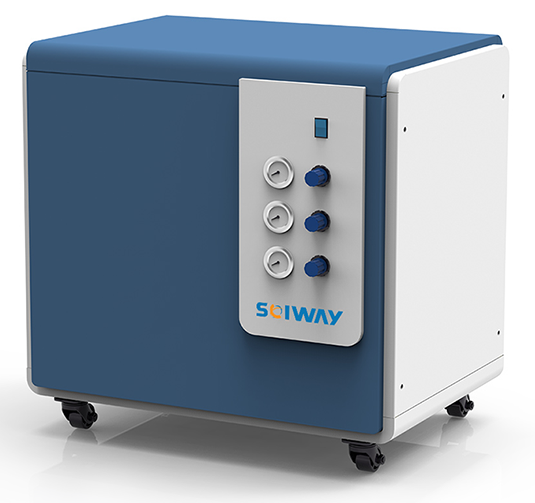

Precision, Purity, and Performance: The Multi-Application Guide to Sciway Nitrogen Generators

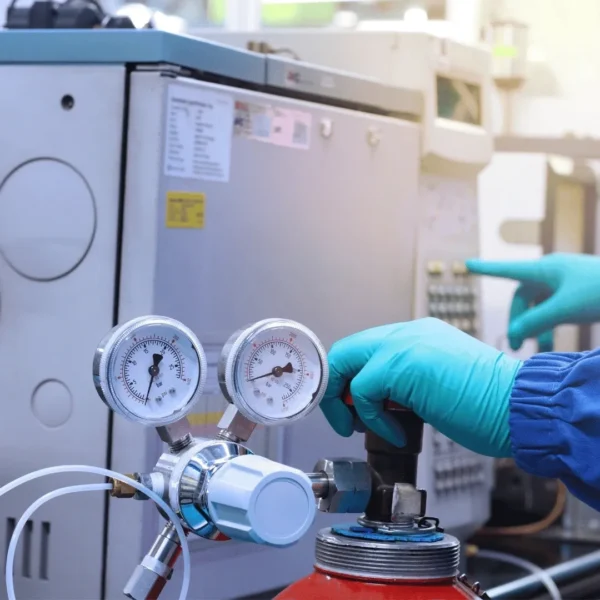
An Introduction to Mass Spectrometry Precision, Purity, and Performance: The Multi-Application Guide to Sciway Nitrogen Generators In the modern laboratory, nitrogen gas is more than just a consumable—it is a critical utility. Whether it’s providing the curtain gas for a mass spectrometer or creating an inert environment for delicate chemical synthesis, the quality of your…

Mastering the Melt with Bruker: Predicting Shelf-Life in Plant-Based Margarines

Mastering the Melt with Bruker: Predicting Shelf-Life in Plant-Based Margarines The “snap” of a chocolate bar, the creaminess of a spread, and the stability of margarine at room temperature all depend on one critical factor: Solid Fat Content (SFC). For manufacturers shifting toward plant-based formulations, the challenge is significant. Unlike animal fats, plant-based oils (like…

From MOFs to Global Impact: Why Nobel Laureate Omar Yaghi Relies on Micromeritics for Direct Air Capture Breakthroughs

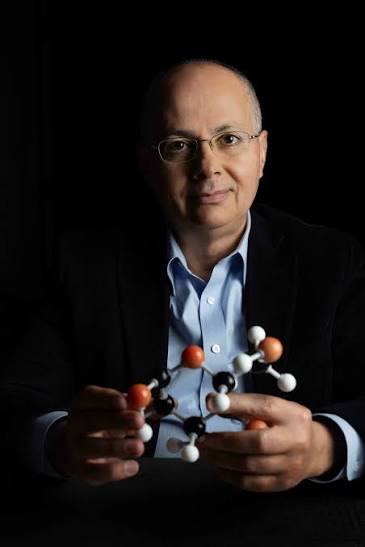
From MOFs to Global Impact: Why Nobel Laureate Omar Yaghi Relies on Micromeritics for Direct Air Capture Breakthroughs The 2025 Nobel Prize in Chemistry celebrated Prof. Omar Yaghi for his foundational work in Reticular Chemistry, specifically the discovery of Metal-Organic Frameworks (MOFs) and Covalent Organic Frameworks (COFs). But for these “molecular sponges” to move from…

From MOFs to Molecules: Inside the Carbon Capture Research of Prof. Omar Yaghi and the Micromeritics BTA

From MOFs to Molecules: Inside the Carbon Capture Research of Prof. Omar Yaghi and the Micromeritics BTA The global race to achieve net-zero emissions has placed carbon capture, utilization, and storage (CCUS) at the forefront of scientific innovation. At the heart of this movement is Prof. Omar Yaghi, a pioneer in reticular chemistry and a…

Microplastics Analysis in Water: Techniques and Challenges — A Focus on TED-GC/MS

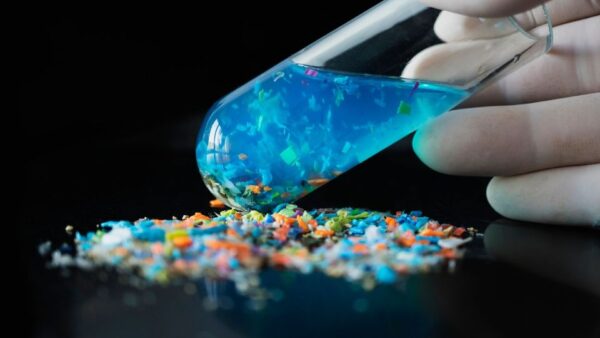
Microplastics Analysis in Water: Techniques and Challenges — A Focus on TED-GC/MS Microplastics have become a major concern in environmental monitoring due to their widespread presence in water systems and potential impact on ecosystems and human health. Detecting and characterizing these particles requires reliable, sensitive, and reproducible analytical approaches rooted in analytical chemistry, which encompasses…

Wet vs Dry Particle Size Analysis: Which Method Should You Use?

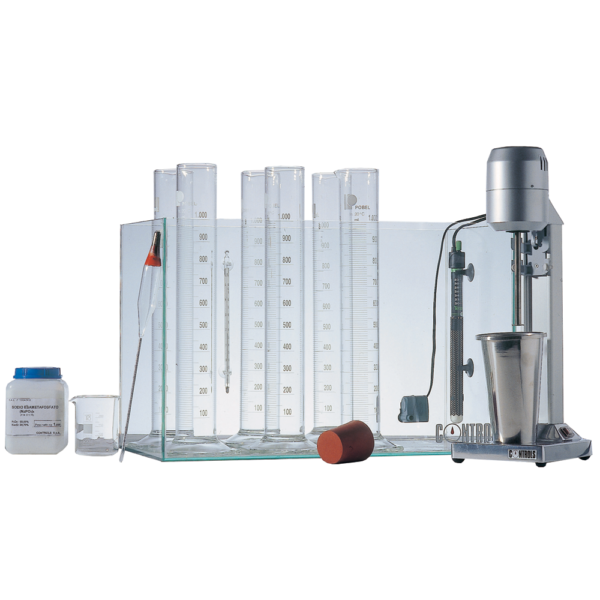
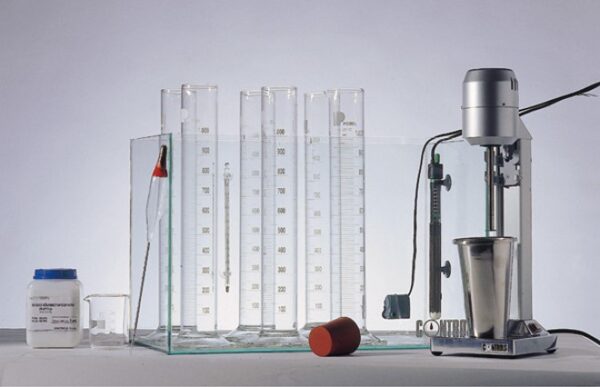
Wet vs Dry Particle Size Analysis: Which Method Should You Use? Particle size analysis is essential across materials science, pharmaceuticals, food technology, mining, environmental testing, and countless other fields. Particle size refers to the measurement of the dimensions of individual solid particles, liquid droplets, or gaseous bubbles, generally expressed as a one-dimensional scalar value such…

Precision at the Heart of SAF (Sustainable Aviation Fuel): Why Chemisorption is the Secret to Sustainable Skies

Precision at the Heart of SAF (Sustainable Aviation Fuel): Why Chemisorption is the Secret to Sustainable Skies The High Stakes of SAF Production The aviation industry is on a countdown to Net Zero, and Malaysia is positioning itself as a regional hub for Sustainable Aviation Fuel (SAF). However, moving from traditional crude oil to “waste-to-fuel”…

Sustainability in the Lab: Replacing Wet Chemistry with Light

Sustainability in the Lab: Replacing Wet Chemistry with Light The Modern Lab’s Dilemma: The Cost of the “Old Way” For decades, the gold standard for analyzing palm oil parameters—like Iodine Value (IV), Free Fatty Acids (FFA), and Peroxide Value (PV)—has been wet chemistry titration. Wet chemistry is a form of analytical chemistry that uses classical,…

Precision in Every Bite: Why Dynamic Crystallization is the Secret to Premium Chocolate

Precision in Every Bite: Why Dynamic Crystallization is the Secret to Premium Chocolate In the world of confectionery, the crystallization of cocoa butter is the fine line between a premium product and a total loss. This invisible process dictates everything from the glossy shine of a praline to that satisfying “snap” when you break a…

Beyond the Burette: Revolutionizing Quality Control with Analytical Chemistry – From Hours to Seconds with Bruker FT-NIR

Beyond the Burette: Revolutionizing Quality Control with Analytical Chemistry – From Hours to Seconds with Bruker FT-NIR How modern laboratories are ditching wet chemistry for rapid, reagent-free multi-component analysis. In the world of analytical chemistry—particularly within the palm oil industry—the burette has long been a symbol of precision. For decades, traditional wet chemistry has served…

BET Surface Area: Gas Adsorption Analysis and Understanding BET Theory

BET Surface Area: Gas Adsorption Analysis and Understanding BET Theory You’ll quickly see why gas adsorption matters when you need to quantify a material’s real surface area instead of just its geometric size. BET theory, developed as a technique by Stephen Brunauer, Paul Emmett, and Edward Teller in 1938, aims to explain the physical adsorption…

bet surface area testing

What Is BET Surface Area? A Practical Guide for Material Characterization

What Is BET Surface Area? A Practical Guide for Material Characterization You want a clear, practical explanation of BET surface area and why it matters for material characterization. BET surface area measures the accessible microscopic surface area of a solid by quantifying how much gas physically adsorbs onto it, giving a standardized metric (m²/g) that…

bet surface area

BET Surface Area Analysis Explained: Principles, Method, and Applications

BET Surface Area Analysis Explained: Principles, Method, and Applications You’ll get a clear, practical explanation of what BET surface area analysis measures and why it matters for materials like catalysts, adsorbents, and nanomaterials. BET quantifies the accessible surface area by modeling multilayer gas adsorption on a solid, giving a reproducible metric that predicts how a…

Automated Sample Preparation for GC-MS and LC-MS: Improving Laboratory Efficiency

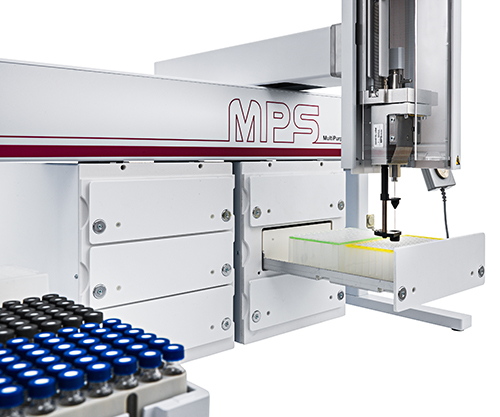
Automated Sample Preparation for GC-MS and LC-MS: Improving Laboratory Efficiency In modern analytical laboratories, GC-MS and LC-MS systems provide highly sensitive and accurate results for a wide range of applications. However, the overall quality and reliability of these results depend heavily on one critical step — sample preparation. Manual sample preparation is often time-consuming, labor-intensive,…

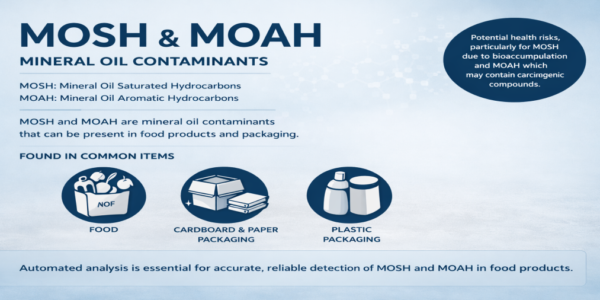
GERSTEL MOSH/MOAH Analysis in Food: Methods and Challenges

GERSTEL MOSH/MOAH Analysis in Food: Methods and Challenges Mineral oil hydrocarbons (MOH) have become an important focus in food safety and quality control, particularly in packaged foods. These compounds are broadly classified into MOSH (Mineral Oil Saturated Hydrocarbons) and MOAH (Mineral Oil Aromatic Hydrocarbons), each presenting different analytical and regulatory considerations. Accurate determination of MOSH…